Bhai Dooj 2026 will be celebrated on Wednesday, 11 November 2026. This Hindu festival honours the bond between brothers and sisters through prayers, traditional rituals, and time spent together. Celebrated during the Diwali festive period, it brings families another occasion to gather, exchange gifts, and share a meal.For many households, the most memorable part of Bhai Dooj is the familiar welcome: a decorated puja plate, homemade sweets, and a sister waiting to apply a ceremonial tilak to her brother’s forehead. Sisters pray for their brothers’ well-being, while brothers express their affection and appreciation. The celebration is rooted in family relationships, making even a simple observance feel meaningful.
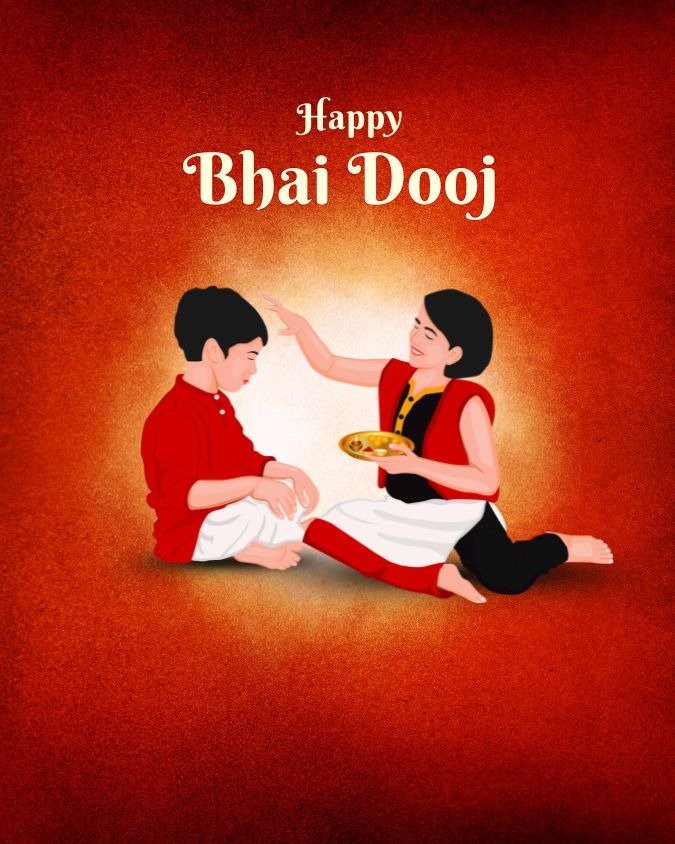
The festival is also known by regional names, including Bhai Tika, Bhau Beej, and Bhai Phonta. Although customs vary, the central feeling remains the same: affection between siblings and a wish for each other’s happiness. Whether celebrated at the family home or across a video call, Bhai Dooj offers a reason to pause and reconnect.
Bhai Dooj 2026 Date
The Bhai Dooj 2026 date is Wednesday, 11 November. According to the Hindu calendar, the festival is associated with Dwitiya Tithi of Shukla Paksha in the month of Kartik, meaning the second lunar day of the waxing moon. Anyone planning a sibling visit, preparing festive food, or arranging a family gathering can mark this Wednesday on their calendar. Since Hindu observances follow lunar calculations, the Gregorian date changes each year. Families often consult their local panchang when choosing the appropriate time for the tilak ceremony, as ritual timings can depend on location and customary practice. The calendar date is useful for organising the celebration, while the precise Bhai Dooj tilak muhurat should be checked separately for the place where the ceremony will take place.
Bhai Dooj 2026 Significance and Traditional Beliefs
The significance of Bhai Dooj lies in the care, trust, and companionship shared by siblings. A widely told traditional story connects the festival with Yama and his sister Yamuna. According to this belief, Yamuna welcomed her brother into her home, honoured him, and served him a meal. Their reunion is remembered through the festival’s association with hospitality and prayers for a brother’s welfare. This connection also explains the name Yama Dwitiya. Beyond the traditional stories, Bhai Dooj gives families an opportunity to show appreciation in ordinary, personal ways. A sister may prepare her brother’s favourite sweet, while a brother might bring a thoughtful present or spend an unhurried afternoon with her. These gestures help keep the celebration warm and personal. For younger family members, joining the rituals can also become a way to learn about customs passed down through generations.
How to Celebrate Bhai Dooj 2026: Tilak, Puja and Family Traditions
Bhai Dooj celebrations in 2026 can begin with preparing a clean space and arranging a puja thali according to family tradition. Common items include roli or kumkum, rice grains, a diya, flowers, and sweets, although the exact preparations differ between communities. Sisters traditionally perform aarti, apply tilak, and offer prayers for their brothers’ health and happiness. Brothers often give gifts in return, followed by a shared meal and conversation. There is no need for an expensive present; a book, a handwritten message, or something chosen with care can carry plenty of meaning. Siblings living apart can arrange a call, send sweets, or exchange heartfelt Bhai Dooj wishes. If meeting on Wednesday is difficult, families can still make time to connect and acknowledge the occasion. What gives the day its lasting value is the attention siblings offer each other, alongside the rituals they choose to observe.
